
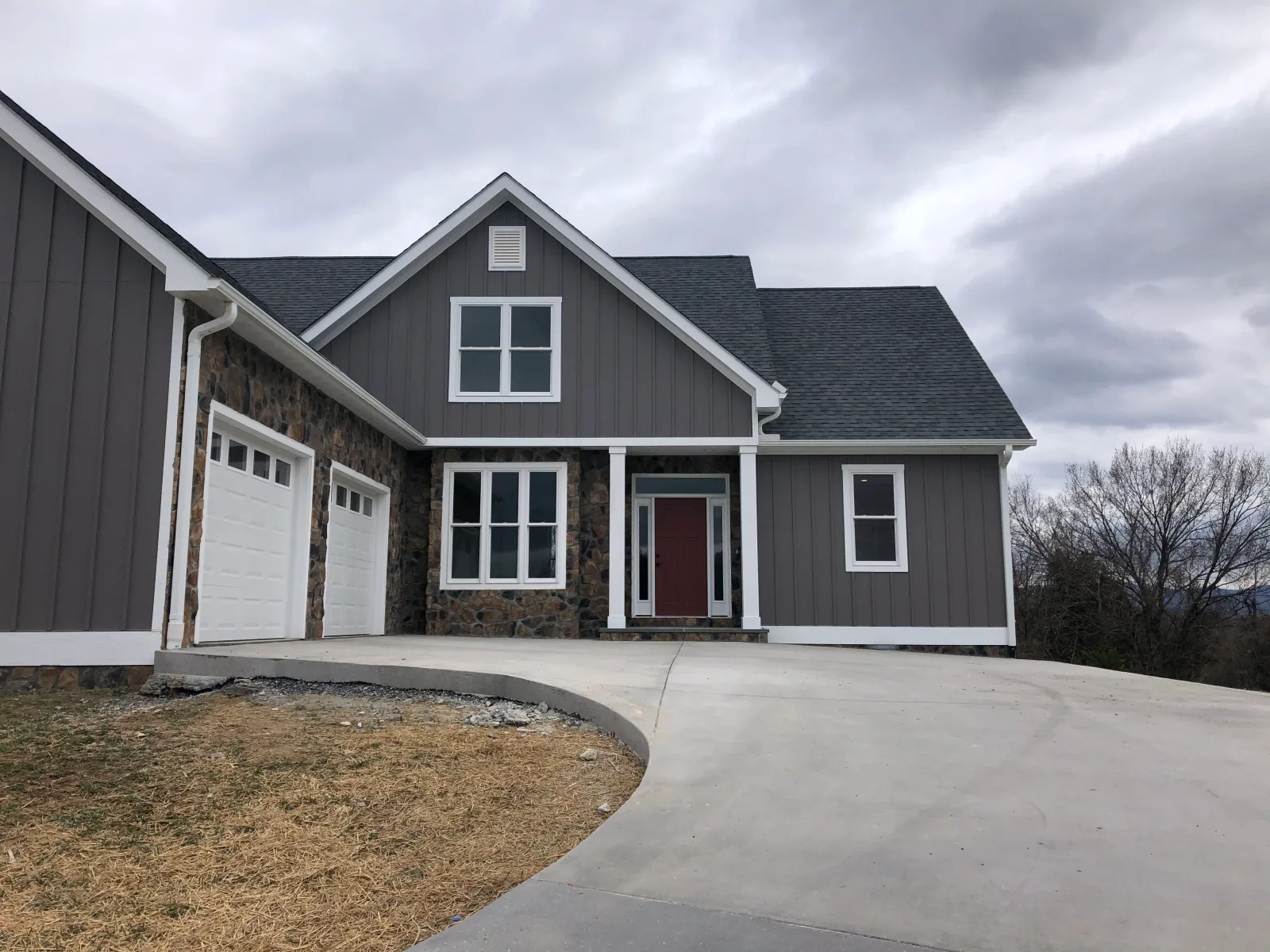
Choosing between a home addition and remodeling in Greenville starts with one question: do you need more space, or a better use of the space you already have? At MOJ Build we do both, so we'd rather start with the problem in your house. Adding square footage and changing a layout solve different problems.
We're based in Greenville, Virginia, and have been family-owned since 1987. You can read about additions and our other home construction services while you work out your priorities.
Describe the space you're missing
Start with activities rather than room names. You may need somewhere quiet to work, a place for an extended-family visit or a dining area that doesn't block the route through the house.
Then ask what happens in the rooms you have now. An underused formal room, an awkward entrance or storage occupying valuable living space may be part of the answer. Look at when rooms are used as well as their size.
If every room is already doing useful work and your household has outgrown the house, an addition may deserve a closer look. If rooms are available but badly connected, remodeling may address more of the problem than extra floor area alone.
What can remodeling existing space change?
Remodeling can change how rooms connect, how storage works and how a kitchen or bathroom functions. It can also improve a room without changing the outside footprint of the house.
The limits matter. Moving a wall or changing a room's use can involve structural questions and changes to building services. A space that seems available may need significant work before it can serve the purpose you have in mind.
Don't decide from a sketch alone. Compare the proposed layout with doors, windows, furniture and the paths people use through the house. A room that technically fits a desk may still be too exposed or noisy for the work you do.
What does a home addition need to connect to?
An addition must connect to the existing house in several ways. The floor levels, roof, exterior materials and route between old and new spaces all need consideration. The connection is part of the design, not just a gap on a floor plan.
Think about the room you pass through to reach the new space. If adding a bedroom means turning the existing living room into a hallway, the extra area may create another problem.
Outside, consider access, drainage and how the addition changes your usable yard. Property boundaries and any applicable approval requirements need checking for the actual site. There isn't a single answer that applies to every Greenville property.
Compare the whole scope, not just square footage
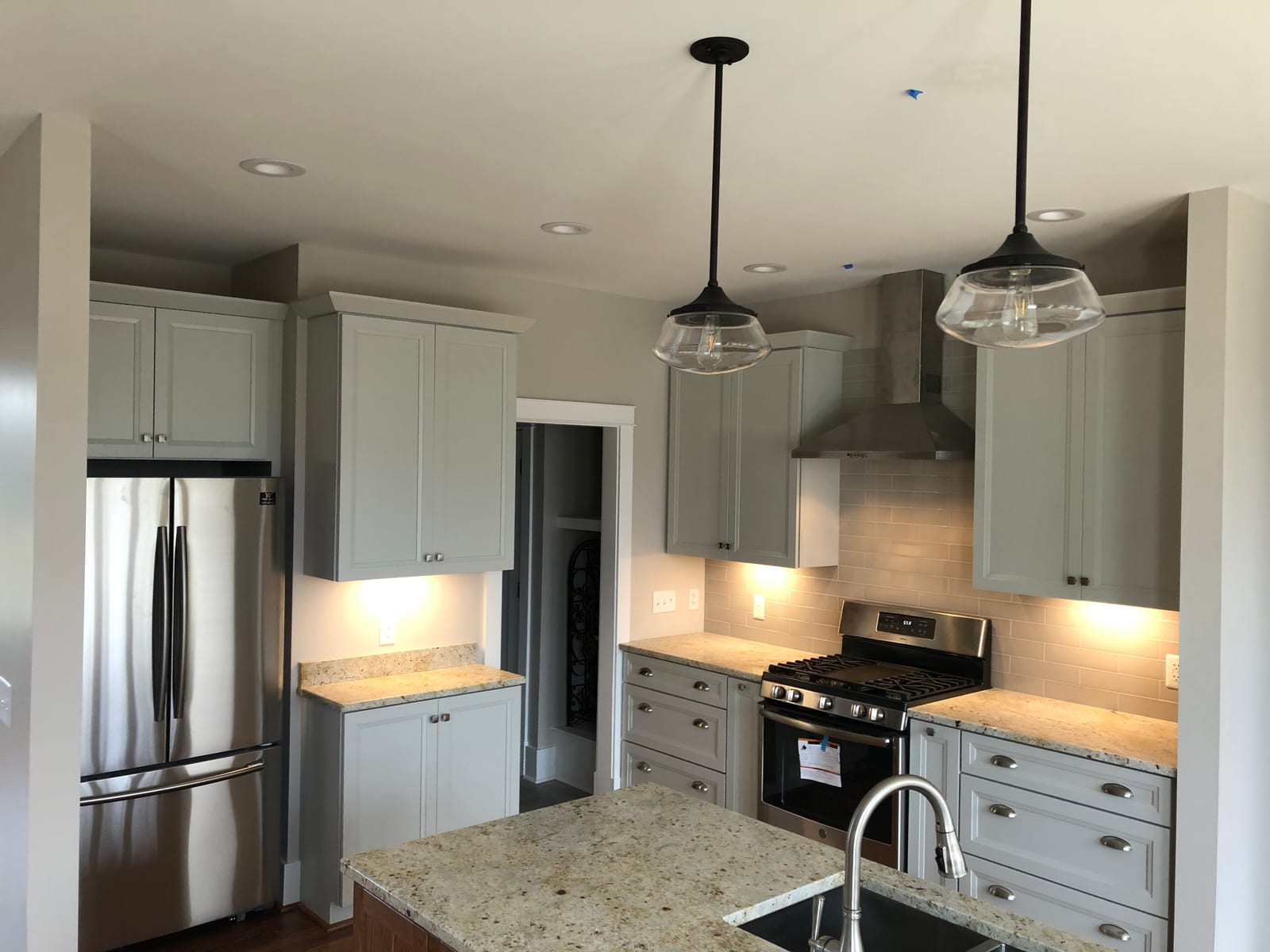
A useful comparison includes the work each option causes elsewhere in the house. An addition might need changes at its connection point. A remodel might affect more rooms than the one you're trying to improve.
Ask what happens to heating and cooling, electrical service, plumbing and access during construction. Some questions won't have answers until existing conditions are examined. Keep those open items visible instead of treating assumptions as settled costs.
Also think about the outdoor work. Removing and restoring access areas, changing drainage arrangements or working around existing features can matter to the overall scope. The new room is only part of what you will be living with afterward.
Decide what disruption you can manage
Both options can affect daily life, but the affected areas may differ. Be clear about the rooms your household needs, whether someone works from home and where pets or children need separation from work areas.
Ask how the proposed scope changes access and room use. You want answers about your actual plan, not a general promise that construction will be easy to live around.
Write two short alternatives before choosing: one that works within the existing house and one that adds space. Compare how each meets your main need, what each leaves unresolved and which compromises you'd accept. That gives you a firmer basis for the next conversation than choosing the larger option by default.
Questions we hear
Is remodeling always less expensive than an addition?
It depends on the work in each plan and on the house you have. Compare defined scopes rather than assuming that the option with less new floor area must cost less.
Can an addition improve the existing layout too?
It can, if the connection and nearby rooms are considered together. Explain which existing problems you want addressed so they don't get left outside the plan.
Tell MOJ Build what your house needs to do differently, and we can talk through whether an addition or a remodel is the better place to start.