
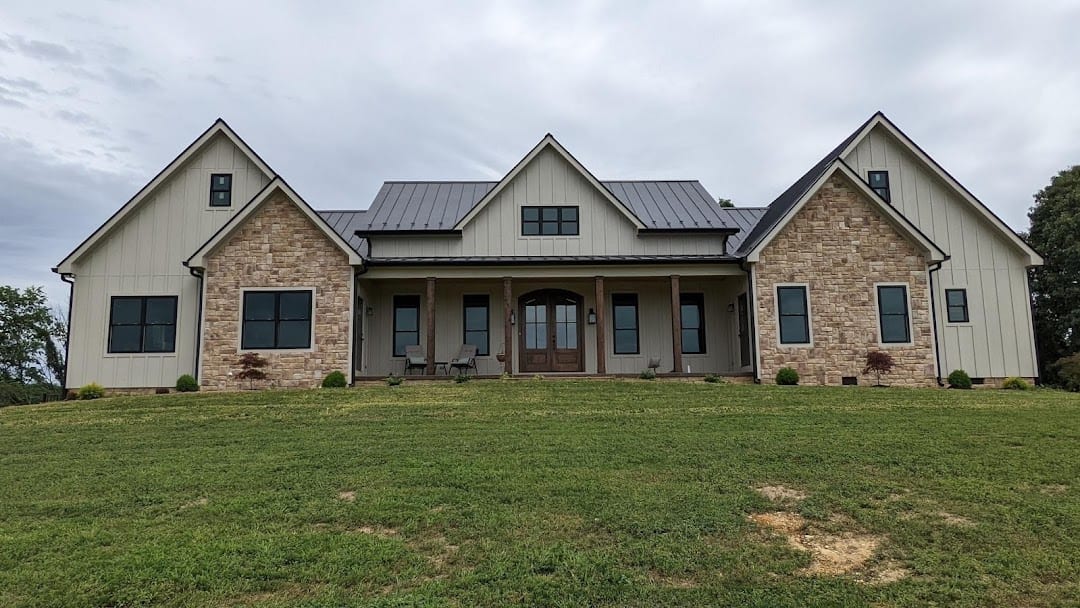
For a useful first conversation about a custom home in Greenville, bring what you know about your land, your budget and how you want to live in the house. You don't need every finish selected before you contact MOJ Build. A short list of priorities and unanswered questions gives us a better starting point than a folder of pictures alone.
We're based in Greenville, Virginia, and have been family-owned since 1987. Read about our custom home services if you're thinking about a new build and want to tell us what you have in mind.
Start with the land, even if you haven't bought it
Tell us whether you own a property, are considering one or are still looking. If you have a survey, a site plan or information about existing utilities, keep those together. Share what you actually know, and mark the rest as questions.
A house plan and a property have to work together. Driveway access, slope, drainage and the location of services can affect the design and the work needed before a house takes shape. Don't assume that a plan that fits on a lot drawing is ready to build there.
If you haven't bought land, say so. That changes the discussion. It can be useful to understand which property questions need answers before you commit to a plan or a purchase.
Describe an ordinary day in your new home
Think about the first hour of the morning and the busiest hour of the evening. Where do shoes and bags land? Who needs a quiet room? How do groceries get from the car to the kitchen?
Those details help explain the layout you need. A large room isn't automatically a useful room, and an extra bedroom may matter less than storage near the entrance. Write down the things your current home makes difficult.
Separate what you need now from what might matter later. A main-floor room with flexible use, room for visiting family or a different entrance arrangement can be worth discussing early. You don't have to predict every future change to identify a few priorities.
Give your custom home budget some boundaries
Bring a working budget, even if it's a range you are still checking. Explain whether that number is intended to cover the house alone or the whole project, including land-related work and other costs.
The useful question is what the budget includes. A figure without a scope can mean different things to different people. Ask which parts of the project need further investigation before anyone can give them a meaningful price.
Make a separate list of features you'd consider changing if the total doesn't fit. That makes a budget conversation practical. You might protect the layout you need while reconsidering a finish, a room size or a feature that could wait.
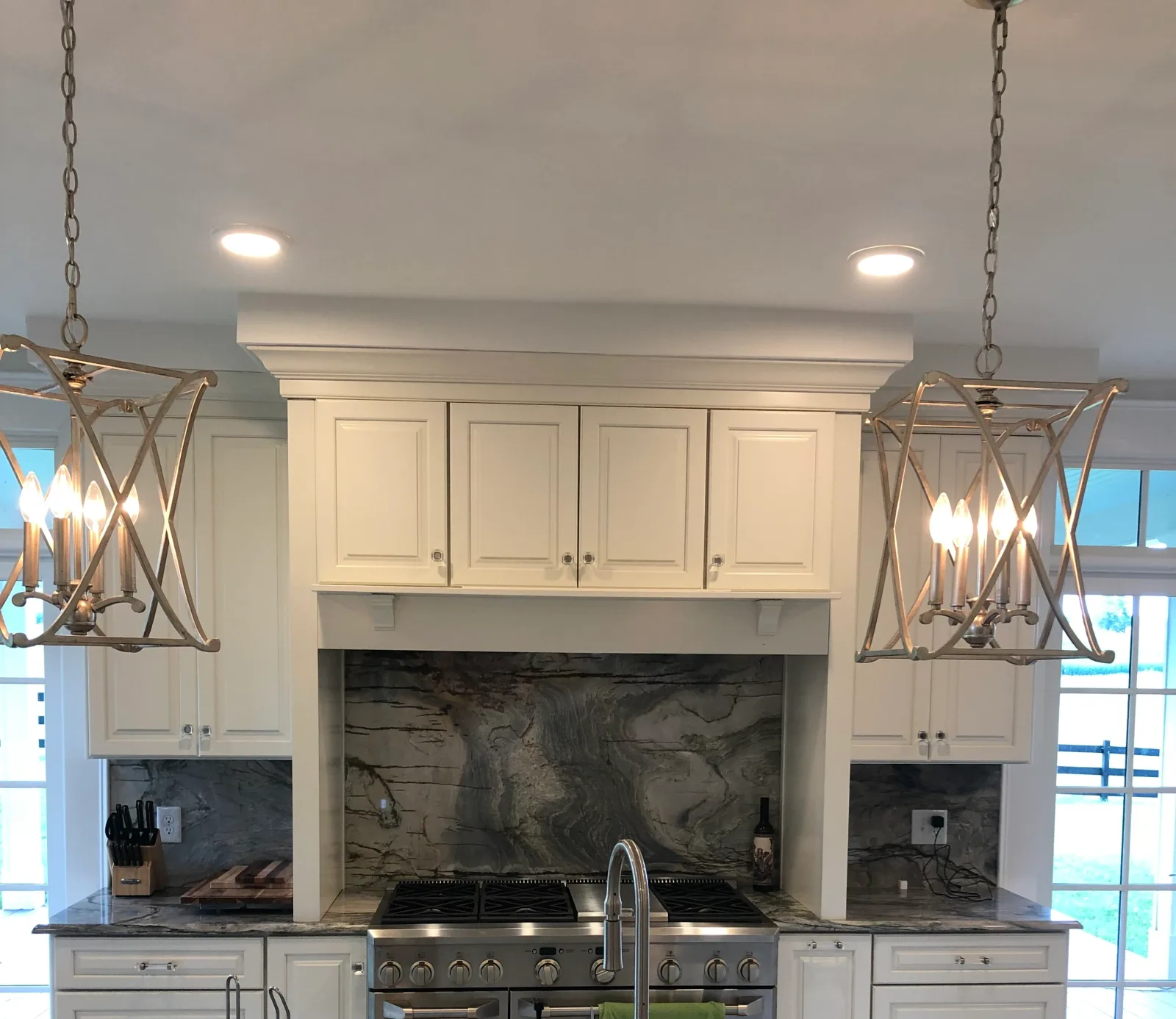
Use reference pictures to explain choices
A few pictures with notes are more useful than dozens without context. Under each one, explain what you like: the covered porch, the relationship between rooms, the cabinet arrangement or the amount of daylight.
Also say what you don't want. You may like the outside of a house but dislike its room layout. That distinction helps prevent a reference image from becoming an unintended instruction.
Keep references separate from decisions. A photo doesn't show everything needed to reproduce a detail, and its materials or construction may not suit your property or budget. Use it to begin a conversation about the result you want.
Ask what needs to happen next
Before the conversation ends, identify the information still missing and who will gather it. You may need more property information, a clearer scope or decisions about design before the next step becomes useful.
Ask how drawings, selections and pricing will relate to one another. Also explain any target move date and what drives it. A lease ending or a home sale is useful context, but an initial conversation isn't a confirmed construction schedule.
A simple written recap helps you avoid losing the important parts. Keep the priorities, open questions and agreed next steps together so the project doesn't restart from memory each time you discuss it.
Questions we hear
Do I need finished plans before contacting a custom home builder?
You can begin by explaining your property situation and what you want from the home. Tell us what plans you have so we can discuss which questions still need answers.
Should I bring a budget if I'm unsure about construction costs?
Yes, bring the range you're working with and explain what it needs to include. That gives the conversation a practical boundary without treating an early number as a quote.
Tell MOJ Build about your custom home plans, including what you know about the property and the questions you want to work through.